
 Image 1 of 1
Broccoli
Broccoli Microgreens
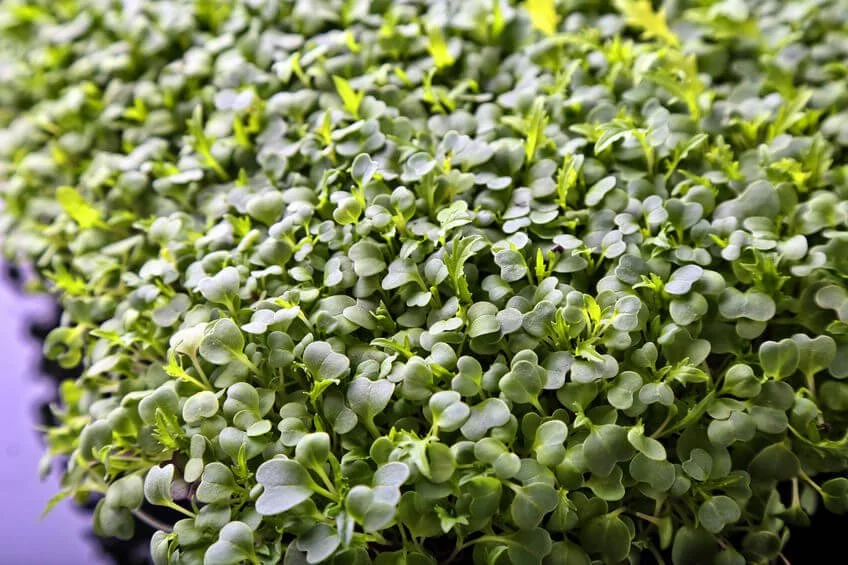
Overview Broccoli microgreens are the young seedlings of Brassica oleracea var. italica, harvested when the first true leaves appear, typically 7–14 days after germination. They offer a concentrated source of flavor, texture, and nutrition compared with mature broccoli.
Appearance and Flavor
Appearance: Delicate stems, small cotyledons and occasional tiny true leaves. Color ranges from pale green to vibrant emerald.
Flavor: Fresh, mildly peppery with a subtle cabbage-like or mustard note. More concentrated than mature broccoli but less bitter than some other brassicas.
Nutrition Broccoli microgreens are nutrient-dense. Per weight, they commonly contain higher levels of vitamins and phytonutrients than mature broccoli, including:
Vitamin C
Vitamin K
Vitamin A (as carotenoids)
Sulforaphane precursors (glucoraphanin)
Minerals such as potassium and calcium Their high antioxidant and glucosinolate content is linked to anti-inflammatory and potential cancer-protective properties, though microgreens should be part of a varied diet rather than a sole source of nutrients.
Culinary Uses
Raw: Sprinkle over salads, grain bowls, sandwiches, or avocado toast for a fresh, peppery lift.
Garnish: Use as a finishing touch on soups, omelets, fish, or roasted meats to add color and brightness.
Blended: Add to smoothies, pesto, or dressings for a nutrient boost; best added at the end to preserve flavor and nutrients.
Lightly cooked: Briefly toss into stir-fries or sautés at the last moment—avoid prolonged cooking to retain texture and nutrients.
Storage and Shelf Life
Storage: Keep unwashed in a breathable container or a loosely closed bag in the refrigerator. Line with a paper towel to absorb excess moisture.
Shelf life: Typically 5–10 days depending on freshness at purchase and storage conditions. Inspect for sliminess, discoloration, or off-odors and discard if present.
Growing Basics
Medium: Can be grown in soil, coco coir, or hydroponic mats. Good drainage and air circulation help prevent damping-off.
Light: Require light after germination for green, sturdy stems—LED grow lights or bright indirect sunlight for 8–12 hours/day.
Water: Keep evenly moist; misting or bottom-watering methods reduce the risk of mold.
Harvest: Cut just above the soil line when most plants show their first true leaves.
Food Safety
Source: Buy microgreens from reputable growers or follow safe home-growing practices.
Washing: Gently rinse before use if grown in soil; when stored properly, many microgreens are sold ready-to-eat.
Vulnerabilities: Because they are harvested young and often eaten raw, microgreens can be susceptible to contamination; proper cleanliness in growing and handling is important.
Why Choose Broccoli Microgreens
High nutrient density relative to mature broccoli.
Versatile culinary use with a clean, mild peppery flavor.
Quick harvest cycle—ideal for home growers or frequent use in restaurants and kitchens.
Serving Suggestion Toss a handful of broccoli microgreens with lemon juice, olive oil, salt, and cracked black pepper; use as a topping for baked salmon or a grain bowl to add freshness, texture, and a nutritional boost.
Broccoli Microgreens
Overview Broccoli microgreens are the young seedlings of Brassica oleracea var. italica, harvested when the first true leaves appear, typically 7–14 days after germination. They offer a concentrated source of flavor, texture, and nutrition compared with mature broccoli.
Appearance and Flavor
Appearance: Delicate stems, small cotyledons and occasional tiny true leaves. Color ranges from pale green to vibrant emerald.
Flavor: Fresh, mildly peppery with a subtle cabbage-like or mustard note. More concentrated than mature broccoli but less bitter than some other brassicas.
Nutrition Broccoli microgreens are nutrient-dense. Per weight, they commonly contain higher levels of vitamins and phytonutrients than mature broccoli, including:
Vitamin C
Vitamin K
Vitamin A (as carotenoids)
Sulforaphane precursors (glucoraphanin)
Minerals such as potassium and calcium Their high antioxidant and glucosinolate content is linked to anti-inflammatory and potential cancer-protective properties, though microgreens should be part of a varied diet rather than a sole source of nutrients.
Culinary Uses
Raw: Sprinkle over salads, grain bowls, sandwiches, or avocado toast for a fresh, peppery lift.
Garnish: Use as a finishing touch on soups, omelets, fish, or roasted meats to add color and brightness.
Blended: Add to smoothies, pesto, or dressings for a nutrient boost; best added at the end to preserve flavor and nutrients.
Lightly cooked: Briefly toss into stir-fries or sautés at the last moment—avoid prolonged cooking to retain texture and nutrients.
Storage and Shelf Life
Storage: Keep unwashed in a breathable container or a loosely closed bag in the refrigerator. Line with a paper towel to absorb excess moisture.
Shelf life: Typically 5–10 days depending on freshness at purchase and storage conditions. Inspect for sliminess, discoloration, or off-odors and discard if present.
Growing Basics
Medium: Can be grown in soil, coco coir, or hydroponic mats. Good drainage and air circulation help prevent damping-off.
Light: Require light after germination for green, sturdy stems—LED grow lights or bright indirect sunlight for 8–12 hours/day.
Water: Keep evenly moist; misting or bottom-watering methods reduce the risk of mold.
Harvest: Cut just above the soil line when most plants show their first true leaves.
Food Safety
Source: Buy microgreens from reputable growers or follow safe home-growing practices.
Washing: Gently rinse before use if grown in soil; when stored properly, many microgreens are sold ready-to-eat.
Vulnerabilities: Because they are harvested young and often eaten raw, microgreens can be susceptible to contamination; proper cleanliness in growing and handling is important.
Why Choose Broccoli Microgreens
High nutrient density relative to mature broccoli.
Versatile culinary use with a clean, mild peppery flavor.
Quick harvest cycle—ideal for home growers or frequent use in restaurants and kitchens.
Serving Suggestion Toss a handful of broccoli microgreens with lemon juice, olive oil, salt, and cracked black pepper; use as a topping for baked salmon or a grain bowl to add freshness, texture, and a nutritional boost.